

There's a taste that lives in your memory long after you've left the island. It's not written down in a recipe or measured with a spoon. It lives in the smell of seasoning hitting a hot pot, in the sound of someone saying "lè sa fini, e ké bon" (when it's done, it'll be good), and in the understanding that good food cannot be rushed.
For many Saint Lucians living abroad, this is the taste they miss most. Bouyon so rich you can taste the time that went into it. Christmas ham glazed just right. Saltfish and green figs that taste like Saturday morning. And no matter how close overseas versions come, food made the way you remember always tastes better.
The Foods We Carry With Us
Christmas brings Caribbean glazed baked ham, black cake made of fruits soaked in rum for weeks, black pudding, sorrel chilling in glass jugs, peanut punch thick and sweet, and ginger beer that clears your sinuses.
During Jounen Kweyol we crave saltfish and green figs, breadfruit and smoked herring, lambi curried or in Creole sauce, bouyon, crab back, accra, curried goat simmering for hours, and the earthy richness of souse. These aren't just meals. They're markers of who we are and where we come from.
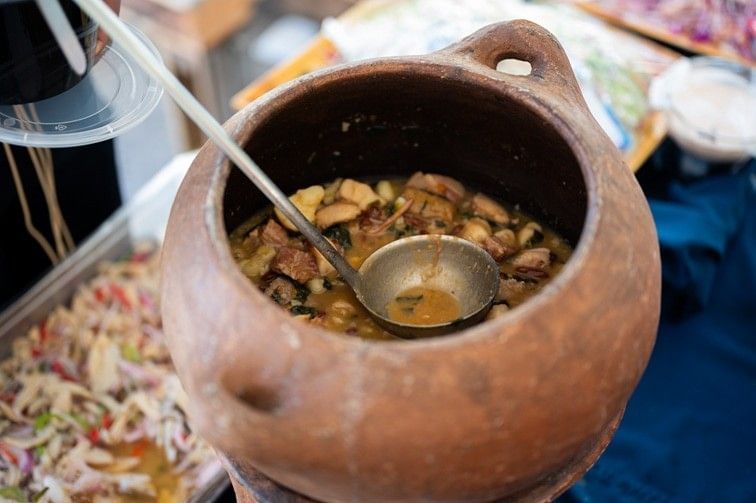
Why It Tastes Different Abroad
Back home, cooking was rarely a solo task. Someone washed, someone chopped, someone tasted. Manjé kay (home food) was adjusted by instinct, not instructions. Living away changes everything. Green figs cost three times what they should. Lambi doesn't exist. Traditional methods, the coal pot, the slow simmer, the patience, are replaced with convenience. The Christmas ham gets baked in 90 minutes instead of basted for half a day. Curried goat is rushed in an Instant Pot instead of simmering until the meat falls off the bone.
It's in the details: saltfish boiled three times and flaked by hand, the layering of flavours in pelau that can't be rushed, provisions cooked to perfect tenderness. These techniques aren't learned from recipe cards, they're handed down in quiet moments, in knowing when to add water by the look of the pot, how to season without measuring, when food is truly ready by ‘bon goût’(good taste), not by a timer.
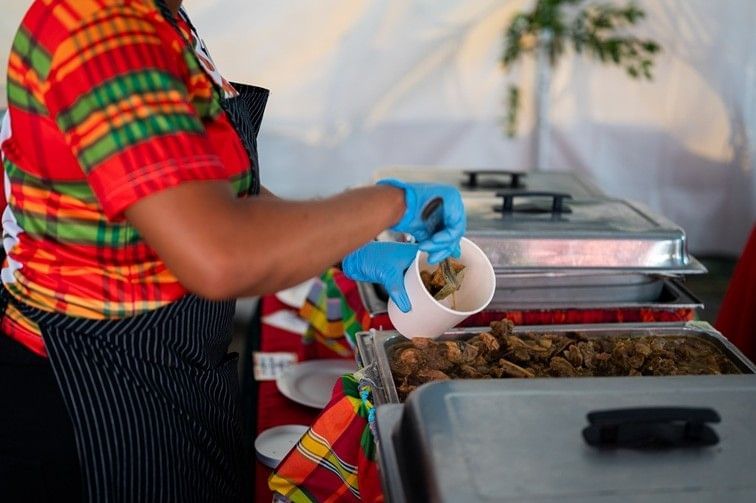
The Taste of Home
Traditional Saint Lucian food carries more than flavour. It carries technique, language, and history. Knowledge passed down casually yet carefully preserved across generations. For Saint Lucians living abroad, tasting food prepared locally brings an unexpected sense of grounding reconnecting you to Christmas mornings in the kitchen, long Sunday conversations over bouyon, the comfort of familiarity wrapped in the smell of seasoning and slow-cooked meat.
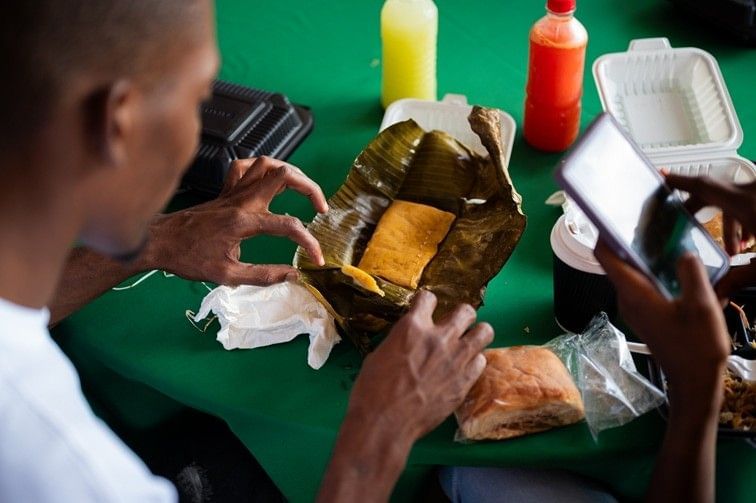
When Comfort Meets Familiar Flavour
That's why Bay Gardens Resorts a locally owned and managed property uniquely in tune with our culture has created diaspora-focused experiences that honour both traditional preparation and the rhythms of home. Being rooted in the community means understanding what others can't: why the provisions must be cooked just right, why certain shortcuts don't work, why tradition matters.
Whether it's Christmas classics prepared with the same patience granny used to give them, or year-round Creole cooking that tastes like manjé kay, Bay Gardens Resorts invites you to come Home for the Holidays and Home for Kweyol to savor the familiar flavours without the pressure of sourcing ingredients overseas, without the rush, without compromise. Plus, diaspora guests enjoy local rates even when living abroad, and families receive discounts when joining you on property. Just the food you remember, made the way it should be, in a place that understands why that matters.
Frequently Asked Questions
Why does Saint Lucian food taste different when cooked abroad?
Traditional Saint Lucian cooking relies on specific ingredients (like green figs, dasheen, fresh lambi), traditional methods (slow cooking, coal pot preparation), and cultural patience that's difficult to replicate overseas. Time constraints, ingredient substitutions, and the loss of communal cooking traditions all affect the final taste.
What are the most popular Saint Lucian Christmas foods?
Caribbean glazed baked ham, black cake (rum-soaked fruit cake), black pudding, sorrel drink, peanut punch, and ginger beer.
What is traditional Creole cooking in Saint Lucia?
Saint Lucian Creole cooking includes saltfish and green figs (the national dish), lambi in Creole sauce or curried, bouyon, souse, crab back, breadfruit and saltfish or smoked herring, curried goat, accra, cocoa tea, and banana bread.
What makes Bay Gardens Resorts' Home for the Holidays/Kweyol experience special?
As a locally owned and managed property, Bay Gardens offers diaspora-focused experiences featuring authentic Saint Lucian Christmas and Creole cuisine prepared using traditional methods. Diaspora visitors enjoy local rates even when living abroad, plus family discounts allowing them to experience familiar flavours made the right way, without the stress of sourcing ingredients or recreating complex dishes during short visits home.